Serving Douglas County & The Surrounding Areas

Back to Blog
How to Spot a Hidden Water Leak in Your Colorado Home
In Colorado’s semi-arid climate, water is one of our most precious resources. However, when that water escapes from your plumbing system and hides behind drywall or beneath a concrete slab, it quickly transforms from a necessity into a destructive force. Because much of a home’s plumbing is tucked away in crawl spaces, attics, and wall cavities, a leak can persist for weeks or even months before it becomes visible as a puddle. By the time a “mystery leak” becomes obvious, it has often already caused structural rot, compromised your home’s insulation, and triggered expensive mold growth.
In this blog, we will identify subtle warning signs of hidden water intrusion and explain how Colorado’s shifting soils and freeze-thaw cycles contribute to plumbing failures.
The Financial Footprint: Using Your Meter as a Diagnostic Tool
The most reliable witness to a hidden leak is often your monthly utility statement. If your water usage has suddenly and inexplicably increased despite no changes in your household habits, it is a clear sign that water is escaping somewhere in your system. In many Colorado municipalities, smart meters are now common, but even a traditional analog meter can be used as a powerful diagnostic tool for homeowners. By performing a simple “meter test,” you can determine within minutes whether your plumbing system is pressurized and sealed or if a “phantom” flow is draining your bank account.
Homeowners can utilize their meter as a high-precision leak detector by following these steps:
- Locate Your Meter: Most Colorado homes have the meter in a pit near the street or inside the basement near the main shut-off valve.
- Cease All Water Usage: Ensure every faucet, shower, dishwasher, and washing machine is off, and double-check that your irrigation system is not in a run cycle.
- Observe the Leak Indicator: Look for a small, rotating triangular or star-shaped dial on the meter face. If this “low-flow” indicator is spinning while no water is being used, you have an active leak.
- The Two-Hour Test: If you do not see immediate movement, record the exact meter reading and wait two hours without using any water. If the numbers have changed when you return, a slow, hidden leak is present.
- Isolate the Main Line: If the meter continues to run after you have shut off the main valve inside your house, the leak is likely in the service line buried in your front yard.
Identifying a leak through your meter is the first step in narrowing down the search area. While it will not tell you exactly where the pipe has failed, it confirms that a problem exists, allowing you to move on to a physical inspection of your home’s most vulnerable areas. This proactive approach is essential to preventing the thousands of gallons of waste that a “pinhole” leak can generate over a single billing cycle.
Colorado’s Shifting Soil and the Silent Threat of Slab Leaks
One of the most common causes of hidden leaks in the Front Range is the expansive soil in our state. Much of the ground in Castle Rock and Highlands Ranch contains high levels of bentonite clay, which swells significantly when wet and shrinks as it dries. This constant movement puts immense physical stress on the concrete slabs and the copper or PEX water lines buried beneath them. When a pipe under your foundation cracks or develops a pinhole leak, the water has nowhere to go but up, leading to a “slab leak” that can compromise the very foundation of your home.
Residents should be on high alert for these signs of a potential slab leak:
- Localized Hot Spots: If a specific area of your floor feels noticeably warmer than the surrounding surface, a hot-water line may be leaking directly beneath it.
- Heaving or Cracking Flooring: Expanding soil beneath a leak can cause hardwood to “cup,” tiles to crack, or vinyl to bubble as the moisture reaches the subfloor.
- The Sound of Running Water: If you can hear a faint hissing or rushing sound in a quiet room when no taps are on, water is likely escaping under high pressure beneath your feet.
- Unexplained Foundation Cracks: While some settling is normal, new or rapidly widening cracks in your basement floor or exterior foundation can be triggered by a subsurface leak.
- Excessive Moisture in the Crawl Space: Even if your home is not on a slab, shifting soils can snap pipes in the crawl space, leading to standing water and a heavy, musty smell.
Slab leaks are particularly dangerous because they often go undetected until the structural damage is significant. Because the repair involves pinpointing the exact location of the leak within the concrete, it requires specialized acoustic and thermal imaging equipment beyond the capabilities of a standard DIY toolkit. Addressing these issues immediately is the only way to prevent the shifting ground from turning a small pipe fracture into a major foundation restoration project.
Vertical Warning Signs: Identifying Moisture Behind Drywall
In multi-story Colorado homes, water often travels the path of least resistance, which usually means moving downward behind your walls or across your ceilings. These leaks frequently originate from second-story bathrooms or the complex network of pipes that supply your kitchen and laundry room. Because drywall is porous and absorbent, it can hold a surprising amount of water before it finally starts to drip, making the initial signs of a leak extremely subtle.
Keep a close eye on your walls and ceilings for these tell-tale symptoms:
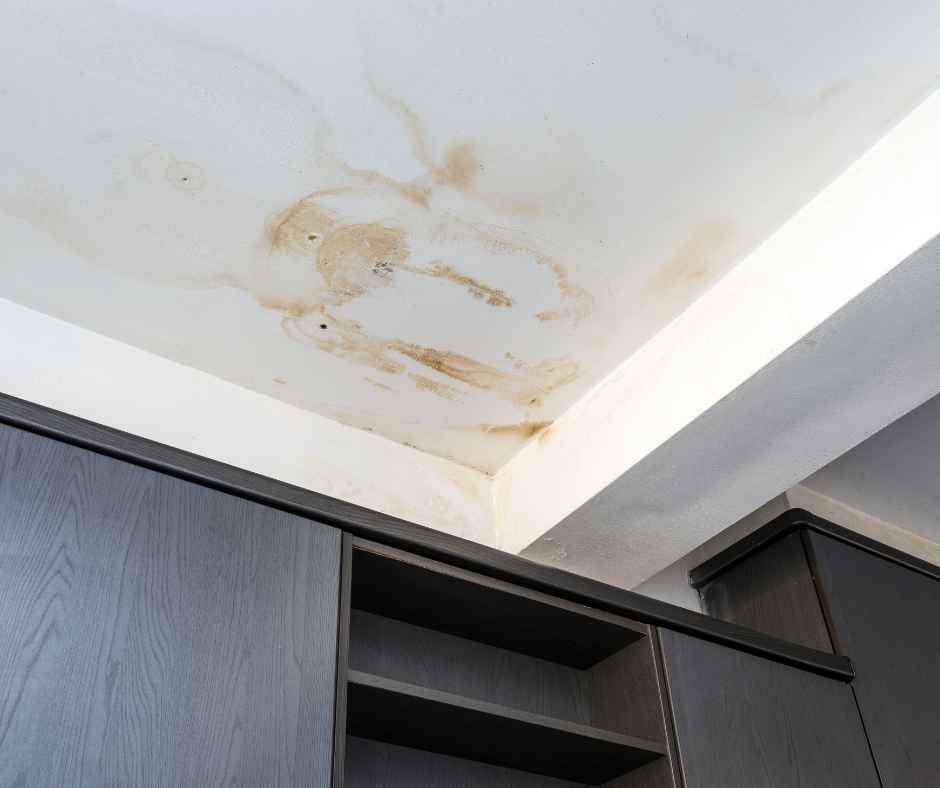
- Discolored Tea Stains: Small, yellowish or brownish circles on your ceiling are the first sign that water is pooling above the drywall.
- Peeling or Blistering Paint: Moisture trapped behind the paint causes it to lose its bond with the wall, leading to bubbles often filled with water.
- Soft or Spongy Drywall: If you press on a wall and it feels pliable or leaves an indentation, the internal gypsum has been saturated and weakened.
- Musty Odors Near Baseboards: A persistent, earthy smell in a specific corner of a room often points to a slow leak behind the baseboard where the drywall meets the floor.
- Warped Window or Door Frames: As moisture enters the wooden studs around your home’s openings, the wood can swell, making doors and windows difficult to open or close.
If you discover a damp spot on a first-floor ceiling, the source is rarely directly above the stain. Water often travels along a joist or a wire for several feet before it finally accumulates enough weight to soak through the drywall. A professional plumber can use moisture meters to map moisture levels and identify the true origin of the leak without tearing down unnecessary sections of your home.
The Seasonal Spike: Freeze-Thaw Leaks in Attics and Rims
Colorado’s dramatic temperature swings create a unique phenomenon: ice damming and frozen pipe bursts. While a major burst is immediately obvious, many winter-related leaks are micro-cracks that only occur when the pipe slightly expands during a freeze. When the ice thaws, a small spray of water begins, often in the unconditioned spaces of your home like the attic or the rim joists in your basement.
These seasonal stressors often lead to specific hidden issues:
- Saturated Attic Insulation: A leaking vent pipe or a small breach in a supply line can drip into your insulation, rendering it useless and creating a hidden reservoir of moisture.
- Frost on Interior Nail Heads: If you see “shiners” or frost on the nails in your attic or crawl space, it is a sign that high humidity from a leak is condensing on the cold metal.
- Rusted Pipe Hangers and Straps: Water dripping from a hidden leak will often follow a pipe, causing the metal supports to rust or corrode long before the pipe itself fails.
- Damp Rim Joists: Leaks from outdoor spigots that were not properly winterized often result in dampness along the perimeter of your basement.
- Efflorescence on Concrete: A white, powdery residue on your basement walls is a sign that water is pushing through the concrete, carrying minerals with it.
Preventing these hidden winter leaks requires a thorough inspection of your home’s envelope before the first freeze. Ensuring your pipes are properly insulated and your outdoor faucets are disconnected, can save you from the “spring surprise” of discovering a leak that has been active since the first cold snap of October.
2026 Smart Detection: Automated Protection for Your Property
As we move through 2026, the best way to spot a hidden leak is to have your home spot it for you. Modern smart home technology has revolutionized leak detection, moving from reactive repairs to proactive prevention. The Colorado Energy Office (CEO) has highlighted that 2026 is a milestone year for the Home Electrification and Appliance Rebates (HEAR) and Home Efficiency Rebates (HER) programs. These initiatives often include smart home controls, such as advanced leak-monitoring systems, helping households save up to $14,000 on total home upgrades.
Consider these 2026 tech upgrades and their financial benefits:
- Automatic Shut-Off Valves: These devices can instantly cut the water supply to your entire home the moment they detect a pipe burst or an unusual flow pattern.
- Insurance Premium Discounts: Major insurers in Colorado are now offering discounts between 8% and 15% for homes equipped with verified, properly connected water leak sensors with automatic shutoff.
- AI-Powered Flow Monitoring: 2026 systems distinguish between a running toilet and a hidden leak, providing a health score for your plumbing through a mobile app.
- Smart Point-of-Use Sensors: Small, Wi-Fi-enabled sensors placed under sinks and near water heaters send immediate alerts to your phone if they detect moisture.
- Rebate Integration: Registered contractors under the Colorado HER program can often help you secure discounts on whole-home monitoring systems that reduce energy and water waste.
While these technologies are incredibly powerful, they work best when combined with a licensed plumber’s expert eye. Technology can tell you there’s a leak, but it takes an experienced technician to pinpoint where and why, and ensure the repair meets current building codes.
Expert Colorado Leak Detection from Patriot Pros
Identifying a hidden water leak requires a combination of vigilance, technology, and professional expertise. Whether you are dealing with a suspicious water bill, a “spongy” spot on your ceiling, or the challenges of expansive Colorado soil, the team at Patriot Pros is ready to respond. We utilize the latest 2026 acoustic and thermal leak detection technology to find and fix leaks, clogs, and breaks with minimal disruption to your home. As a locally owned and operated business, we understand the specific plumbing needs of Douglas County and the surrounding areas.
Don’t wait for a small leak to become a major restoration project: contact us today for a comprehensive plumbing inspection and keep your Colorado home safe, dry, and efficient.
FAQ
Why is my water bill high even though I don’t see a leak?
A high bill without visible water is often a sign of a “silent” toilet leak or a slab leak beneath your foundation. A single running toilet can waste hundreds of gallons of water per day, and a hidden slab leak can waste even more without ever showing up on your floor.
Can Colorado’s “hard water” cause hidden leaks?
Yes. The high mineral content in Front Range water can lead to “pitting” corrosion in older copper pipes. This creates tiny, microscopic holes that may only spray a small mist of water, making the leak very difficult to find until the surrounding drywall is fully saturated.
Will a smart leak detector work if the power goes out?
Many 2026 smart leak detection systems include battery backups or are designed to fail-safe in the “closed” position, ensuring your home remains protected even during a Colorado winter power outage.
What should I do first if I suspect a hidden leak?
Your first step should be to turn off your main water valve to prevent further damage. Once the water is off, perform a meter test to confirm the system is losing pressure, and then call a licensed professional for a diagnostic inspection.
How much does it cost to find a hidden leak in 2026?
The cost of professional leak detection in the Castle Rock area typically ranges from $250 to $600, depending on the complexity of the search and the equipment required. This investment is significantly lower than the average cost of water damage restoration.
Recent News

How to Prepare Your HVAC System for Colorado’s Spring Temperature Swings
Navigating Colorado’s 2026 High-Efficiency Rules: What Front Range Homeowners Need to Know
Snow, Freeze & Thaw: How Colorado Winters Stress Your Plumbing

Emergency Heating Repairs: What to Do If Your Furnace Fails During a Colorado Snowstorm
Comparing Heating Options for Colorado Homes: Furnace vs. Boiler vs. Heat Pump

The Ultimate Fall & Winter Boiler & HVAC Maintenance Checklist for Castle Rock Homes