Serving Douglas County & The Surrounding Areas

Back to Blog
Snow, Freeze & Thaw: How Colorado Winters Stress Your Plumbing
Colorado winters bring a challenging mix of snow, freezing temperatures, and rapid warming periods that put significant stress on home plumbing systems. These constant shifts can cause pipes to freeze, thaw, and refreeze, which increases the chance of leaks, cracks, and unexpected failures. Understanding how winter weather affects plumbing helps homeowners stay prepared and avoid costly emergencies.
In this blog, Patriot Pros explains how Colorado’s snow, freeze, and thaw cycles impact your plumbing and what you can do to protect your home.
Why Colorado’s Freeze-Thaw Pattern Damages Plumbing
Colorado’s winters are known for dramatic temperature swings. Snowstorms can be followed by sunny afternoons, and freezing nights often turn into rapid thaws the next day. This repeated freeze-thaw cycle creates significant stress on plumbing systems, especially in homes with older or exposed pipes.
Colorado’s rapid temperature changes cause pipes to expand and contract repeatedly:
- Freezing temperatures make water inside pipes expand: This creates internal pressure that weakens the pipe structure.
- Thawing causes sudden shifts: As the ice melts, the pipe contracts quickly, which can worsen cracks or leaks.
- Older plumbing is more vulnerable: Metal pipes and aging joints respond poorly to constant expansion and contraction.
- Exterior and uninsulated pipes face the highest risk: Areas like crawl spaces, garages, and basements are often exposed to more extreme temperature swings.
These seasonal stresses lead to plumbing issues that worsen over time:
- Minor cracks can grow: Repeated freezing and thawing causes small weaknesses to expand.
- Joint connections loosen: Temperature fluctuations can shift fittings or seals.
- Pressure changes increase strain: Water flow can become inconsistent, adding more stress to pipes.
- Leaks often remain hidden until major damage appears: Many problems start behind walls or under floors.
Understanding how Colorado’s weather patterns affect plumbing helps homeowners identify risks early and take steps to prevent major winter emergencies.
Frozen Pipes
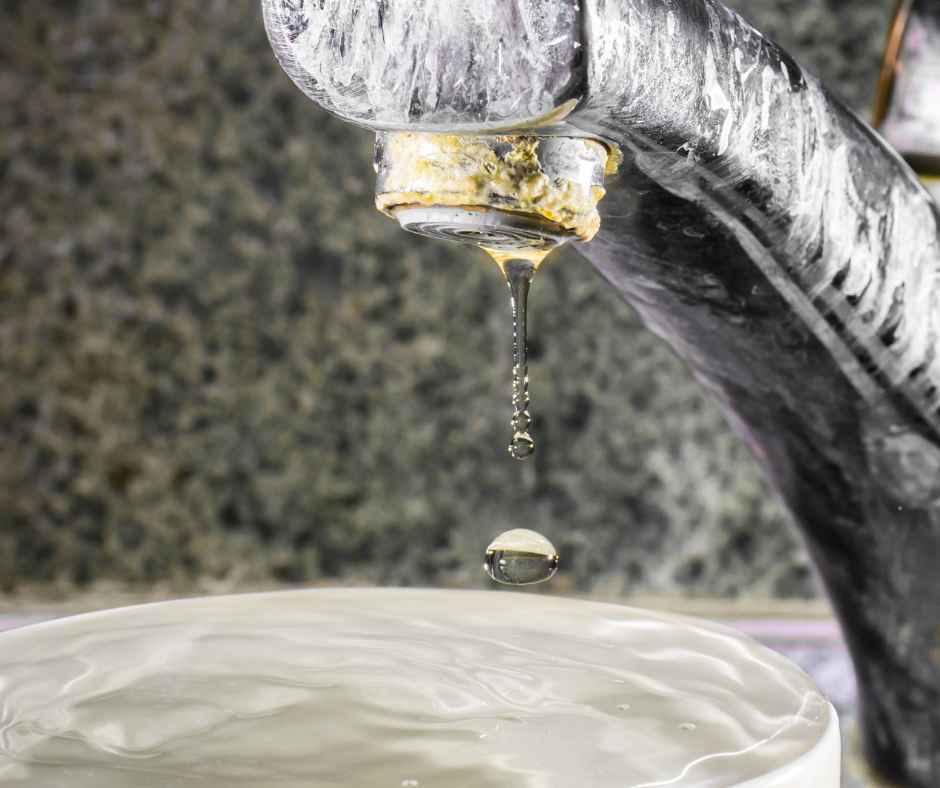
Frozen pipes are one of the most common and dangerous plumbing problems during Colorado winters. When temperatures drop quickly, water inside the pipes can freeze and expand, creating pressure that leads to cracks, leaks, or full pipe bursts once the ice thaws.
Pipes often freeze in Colorado because cold snaps occur suddenly and catch plumbing unprotected:
- Exposed pipes cool down quickly: Areas like basements, garages, crawl spaces, and exterior walls freeze first.
- Insufficient insulation raises the risk: Pipes without proper insulation cannot withstand extreme cold.
- Rapid temperature swings worsen the problem: Colorado’s freeze-thaw cycles create repeated stress on plumbing lines.
- Homes with older materials struggle most: Aging metal pipes are especially vulnerable.
Homeowners can spot frozen pipes early by watching for telltale warning signs:
- Low or no water flow: Restricted flow is the most common indicator of a frozen section.
- Frost or ice buildup on exposed pipes: Ice on the outside suggests freezing inside.
- Strange noises from the plumbing system: Banging or ticking sounds often come from expanding ice.
- Cold spots behind walls or under floors: Extremely cold areas can signal a hidden freeze.
A frozen pipe becomes dangerous when pressure builds and the pipe weakens:
- Cracks form beneath the surface: These may not appear until the pipe thaws.
- Bursting becomes likely: Pressure from expanding ice forces the pipe to split.
- Water damage spreads quickly: Once the ice melts, leaks can release gallons of water in minutes.
- Damage can remain hidden for days: Slow leaks may soak walls and flooring before you notice.
A professional should be called when the pipe shows no signs of thawing or appears damaged:
- No water flow even after warming the area: This suggests a deeper freeze or blockage.
- Visible bulging or cracks in the pipe: These require immediate attention.
- Water begins leaking during thawing: A plumber can control the damage and repair the break.
- Multiple fixtures are affected: This may indicate a main line freeze.
Burst Pipes
Burst pipes are one of the most serious winter plumbing emergencies Colorado homeowners face. When a frozen pipe finally gives way under pressure, the sudden release of water can cause extensive flooding and structural damage. Because Colorado’s freeze-thaw cycles shift quickly, pipes can burst without warning as temperatures rise.
A pipe usually bursts when expanding ice creates pressure the pipe can no longer contain:
- Frozen water pushes against the pipe walls: As the ice grows, internal pressure increases rapidly.
- Weak or aging sections fail first: Older metal pipes and worn joints are more likely to split.
- Thawing causes sudden changes: As water begins flowing again, pressure spikes and worsens cracks.
- Exterior and uninsulated pipes burst most often: These areas experience the most extreme temperature shifts.
Burst pipe damage becomes severe within minutes if water is not shut off quickly:
- Flooding spreads through floors and walls: Water moves fast and absorbs into structural materials.
- Electrical hazards increase: Water around outlets, appliances, or wiring creates dangerous conditions.
- Mold begins forming within 24 to 48 hours: Moisture trapped inside walls encourages rapid mold growth.
- Repairs become expensive the longer water flows: Flooring, drywall, and insulation often require replacement.
Immediate action is necessary when a pipe bursts to limit damage:
- Shut off the home’s main water supply right away: This stops additional water from entering the damaged pipe.
- Turn off electricity in affected areas: This prevents electrical hazards during cleanup.
- Call a professional plumber immediately: Burst pipes need expert repair, proper drying, and full system inspection.
- Document the damage for insurance: Photos help with claims and repair approvals.
Water Heater Strain and Failure
Colorado’s cold winters place extra demand on water heaters. When the incoming groundwater temperature drops significantly, the system must work harder to heat water, which increases wear on components and raises the risk of failure.
A water heater experiences heavy strain in winter because cold groundwater requires more heating power:
- The unit runs longer to reach the set temperature: Extended cycles stress heating elements or burners.
- Older systems cannot keep up with demand: Aging water heaters struggle during high-usage winter months.
- Sediment buildup becomes more noticeable: Minerals in Colorado water can settle at the bottom of the tank.
- Thermostats respond more slowly in cold conditions: This leads to inconsistent temperatures.
Warning signs of winter water heater issues become noticeable when the system is overloaded:
- Water turns lukewarm or cold unexpectedly: This suggests failing components or an undersized unit.
- Rumbling or popping noises come from the tank: These sounds often indicate sediment buildup.
- Rusty or discolored water appears: Corrosion inside the tank affects water quality.
- Leaks form around the base of the tank: Expansion and contraction can weaken seals.
A professional should inspect the water heater when these signs appear:
- Hot water repeatedly runs out during normal use: A technician can evaluate whether repair or replacement is needed.
- The system leaks or drips consistently: This may indicate a failing tank.
- The pilot light or thermostat malfunctions: Safe diagnostics and repairs require professional attention.
Sewer Line and Drain Problems
Colorado winters can create serious challenges for sewer lines and household drains. Snowmelt, soil shifting, and temperature extremes all increase the risk of backups, blockages, and slow drains throughout the home.
Sewer lines and drains struggle in winter because cold temperatures and snowmelt affect how wastewater moves through the system:
- Snowmelt saturates the soil: Excess moisture can overload older sewer lines and slow drainage.
- Grease and fats solidify faster in cold pipes: Hardened grease becomes a major cause of winter clogs.
- Soil shifts during freeze-thaw cycles: Movement in the ground can crack or misalign sewer pipes.
- Tree roots continue growing underground: Roots can invade weakened sewer lines even in freezing weather.
Homeowners can spot early sewer or drain problems by paying attention to warning signs:
- Multiple drains slow down at once: This often indicates a blockage in the main sewer line.
- Gurgling sounds come from toilets or sinks: Air trapped by partial blockages creates bubbling noises.
- Unpleasant odors rise from drains: Sewer gas escaping is an early indicator of a problem.
- Water backs up into tubs or lower-level fixtures: This is a strong sign of a major obstruction.
Professional help is essential when sewer or drain issues appear during winter:
- Sewer backups pose health risks: Dirty water should be handled with proper equipment.
- DIY chemical cleaners can damage pipes: Many products worsen clogs or corrode plumbing.
- A plumber can locate and remove blockages safely: Camera inspections and professional tools ensure the line is cleared without causing further damage.
Sump Pump and Drainage Challenges
Sump pumps and drainage systems face increased stress during Colorado winters. Snow accumulation followed by rapid melting can overwhelm pumps, while freezing temperatures create blockages that limit their ability to move water away from the home.
Sump pumps struggle in winter because freezing temperatures and snowmelt push them beyond normal capacity:
- Frozen discharge lines block water flow: Ice forming in the outlet pipe prevents proper drainage.
- Heavy snowmelt increases groundwater levels: Excess moisture forces the pump to run more frequently.
- Cold temperatures affect pump components: Mechanical parts may become sluggish or fail.
- Winter storms cause power outages: Electric pumps cannot operate without power unless a backup system is installed.
Homeowners can spot early sump pump problems by watching for warning signs:
- The pump cycles on and off repeatedly: This may indicate a failing switch or overwhelmed system.
- Loud or unusual noises come from the pump: Grinding or rattling sounds signal motor issues.
- Water sits in the sump pit: Standing water means the pump is not draining properly.
- Musty smells develop near the foundation: This can indicate early moisture or pooling water.
A professional should evaluate drainage or sump pump problems before winter damage occurs:
- Persistent freezing of the discharge line: Insulation or rerouting may be needed to prevent ongoing issues.
- The pump fails during snowmelt events: This puts the basement at high risk for flooding.
- The system is more than 7 to 10 years old: Older pumps may not withstand Colorado winter demands.
Outdoor Plumbing Damage
Outdoor plumbing fixtures are especially vulnerable during Colorado winters. Snow, ice, and freezing temperatures can damage hose bibs, exterior pipes, and irrigation lines, often leading to leaks that appear indoors once temperatures rise.
Outdoor fixtures freeze easily because they are exposed to extreme temperature swings and shifting snow:
- Snow and ice accumulate around hose bibs: This traps moisture that can freeze inside the fixture.
- Unprotected exterior pipes cool rapidly: Without insulation, exterior plumbing freezes long before indoor pipes.
- Leaving hoses attached creates high risk: Trapped water expands and can crack the faucet or connecting pipes.
- Irrigation systems often hold residual water: Lines not properly winterized are primed for freezing damage.
Freeze-thaw cycles cause outdoor plumbing issues that may not appear until later:
- Hidden leaks form behind walls: Water from a cracked outdoor line can travel into interior spaces.
- Pressure drops in faucets or spigots: Reduced flow often signals damage in the supply line.
- Unexpected water puddles appear near the foundation: Melting ice can reveal leaks.
Homeowners should call a professional if outdoor plumbing shows signs of freezing or leaking:
- Water drips from hose bibs after thawing: This indicates worn seals or cracked pipes.
- Moisture appears on interior walls near exterior fixtures: This suggests a hidden leak.
- Outdoor faucets fail to operate normally: Reduced flow may be linked to freeze damage deeper in the line.
How Colorado Homeowners Can Reduce Winter Plumbing Stress
Colorado homeowners can greatly reduce winter plumbing problems by taking proactive steps before temperatures drop. Simple home maintenance and protective measures help prevent freeze-related damage and reduce the chances of costly emergencies.
Homeowners can reduce winter stress on plumbing by protecting exposed or vulnerable pipes:
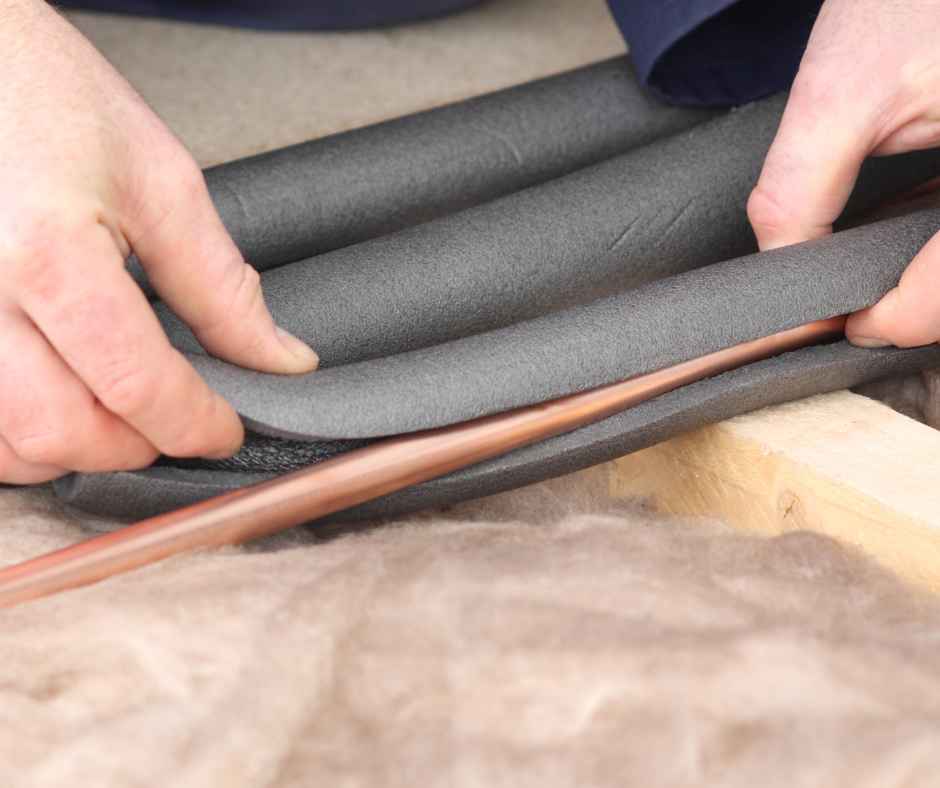
- Insulate pipes in cold areas: Use foam sleeves on pipes in basements, garages, crawl spaces, and exterior walls.
- Seal gaps that allow cold air indoors: Close drafts around windows, doors, and foundation cracks.
- Open cabinet doors during extreme cold: This allows warm air to circulate around plumbing under sinks.
- Maintain steady indoor temperatures: Consistent heat reduces freeze risk behind walls.
Daily habits and simple winter routines also help prevent major plumbing issues:
- Let faucets drip during severe cold snaps: A small flow prevents pressure buildup inside pipes.
- Disconnect and store garden hoses: This protects exterior fixtures from freeze damage.
- Keep drains clear of grease and buildup: Winter increases the chance of stubborn drain blockages.
- Test your sump pump before snowmelt: Ensuring proper operation reduces the risk of basement flooding.
Professional help becomes essential when signs of plumbing stress appear:
- Schedule annual plumbing inspections: A professional can check for weak points before winter storms.
- Maintain the water heater: Flushing sediment and monitoring performance keeps it efficient in cold months.
- Request a sewer line evaluation if backups occur: Camera inspections help identify winter-related blockages early.
Taking small steps early in the season helps homeowners avoid expensive repairs and keeps Colorado plumbing systems running smoothly throughout winter.
Fast Action Matters During Colorado Winters
Colorado’s freeze-thaw cycles place significant stress on plumbing systems, increasing the risk of frozen pipes, bursts, water heater issues, drainage problems, and outdoor plumbing damage. Recognizing these warning signs early and taking quick action helps prevent costly repairs and protects the home from winter’s harsh conditions. Proactive maintenance and professional inspections make an even bigger difference when temperatures fluctuate rapidly.
For reliable help with winter plumbing concerns, contact Patriot Pros today.
Frequently Asked Questions
Can pipes freeze in Colorado even if the temperature stays slightly above freezing?
Yes. Wind chill, poor insulation, and cold drafts can cause pipes to freeze even when outdoor temperatures hover just above freezing.
How long does it take for a pipe to freeze during a Colorado cold snap?
It can take only a few hours for exposed or poorly insulated pipes to freeze during extreme temperature drops.
Are tankless water heaters better at handling Colorado winters?
Tankless systems perform well in cold climates but may require proper sizing and maintenance to handle extremely cold incoming water.
Why do sewer smells become stronger in winter?
Cold weather can dry out drain traps or slow sewer line flow, allowing odors to escape more easily.
Can I thaw a frozen pipe myself without damaging it?
Only mild warming methods, such as a hair dryer, should be used. Avoid open flames or extreme heat, and call a professional if the pipe does not thaw quickly.
Recent News
How to Prepare Your HVAC System for Colorado’s Spring Temperature Swings
How to Spot a Hidden Water Leak in Your Colorado Home
Navigating Colorado’s 2026 High-Efficiency Rules: What Front Range Homeowners Need to Know
Emergency Heating Repairs: What to Do If Your Furnace Fails During a Colorado Snowstorm
Comparing Heating Options for Colorado Homes: Furnace vs. Boiler vs. Heat Pump
The Ultimate Fall & Winter Boiler & HVAC Maintenance Checklist for Castle Rock Homes