Serving Douglas County & The Surrounding Areas

Back to Blog
Is Your Sump Pump Ready for “Monsoon” Season?
In Colorado, we don’t usually think of ourselves as living in a tropical climate. But as any resident from Castle Rock to Colorado Springs knows, the summer months bring a specific meteorological phenomenon: the North American Monsoon. Starting in July and stretching through September, our bluebird skies can vanish in minutes, replaced by violent afternoon thunderstorms that drop inches of rain in a single hour.
As we navigate the 2026 season, forecasts indicate a particularly active monsoon pattern following a year of record-breaking weather shifts. For homeowners in Douglas and El Paso Counties, this means your basement’s primary defense, the sump pump, is about to enter its most grueling “stress test” of the year. At Patriot Pros, we have been the “First Responders” for home comfort in the South Denver area since 1997. We’ve seen firsthand how a $500 pump failure can lead to $50,000 in water damage.
This guide will help you verify if your home is truly “Monsoon Ready.” We will explore the mechanics of pump failure, the specific challenges of Colorado’s summer storms, and the essential steps you must take to protect your foundation.
The Colorado Monsoon: A Different Kind of Flood Risk
Unlike the steady, soaking rains of the Pacific Northwest, Colorado’s monsoon season is characterized by “Flash Saturation.” Our soil, often rich in clay or hardened by summer heat, cannot absorb moisture as quickly as it falls. This causes water to pool rapidly against your foundation, where it seeks out every hairline crack and porous brick to enter your basement or crawl space.
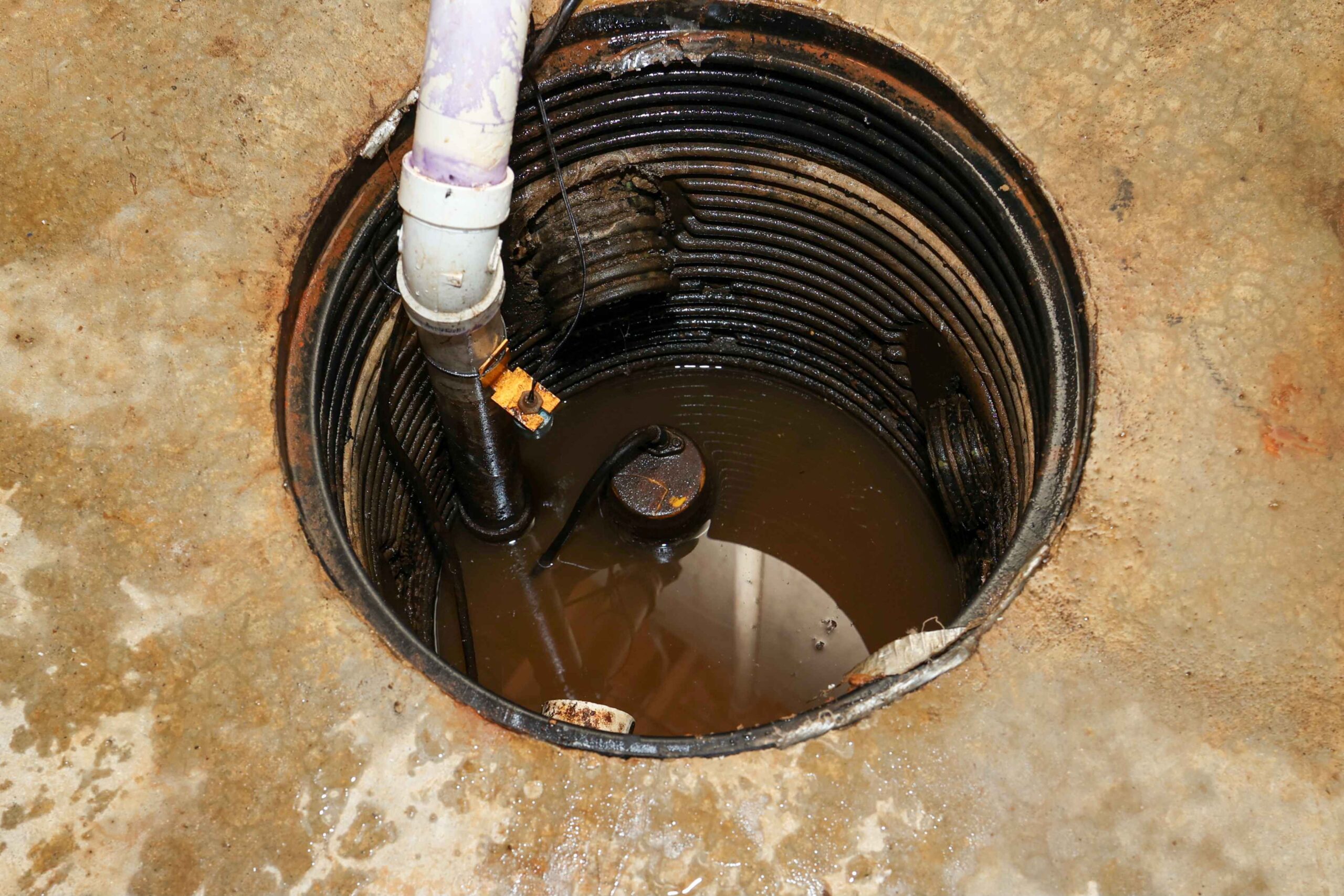
Your sump pump is designed to catch this water in a basin (the pit) and pump it out and away from your home before it can cause damage. During a 2026 monsoon “downpour,” a pump might need to cycle every 30 seconds for hours on end. If your system is aging, clogged, or lacks a backup, it simply won’t survive the marathon.
Step 1: The “Bucket Test” and Visual Inspection
You shouldn’t wait for the first boom of thunder to find out if your pump works. At Patriot Pros, we recommend a “Dry Run” inspection every June.
- The Bucket Test: Slowly pour about five gallons of water into your sump pit. Watch the float (the buoyant ball or lever on the side). As the water rises, the float should lift, triggering the pump to kick on.
- The “Sound” of Health: Listen to the pump as it works. A healthy pump has a consistent hum. If you hear grinding, rattling, or “clanging” noises, your impeller may be damaged by debris or the motor bearings could be failing.
- The Float Check: The #1 cause of pump failure isn’t a dead motor; it’s a stuck float. Ensure the pump hasn’t shifted in the pit, causing the float to get pinned against the wall. If the float can’t rise, the pump won’t turn on.
Step 2: Clearing the “Debris Trap”
The bottom of your sump pit is the lowest point in your home, which means it naturally collects dust, silt, and even small toys or pebbles over time.
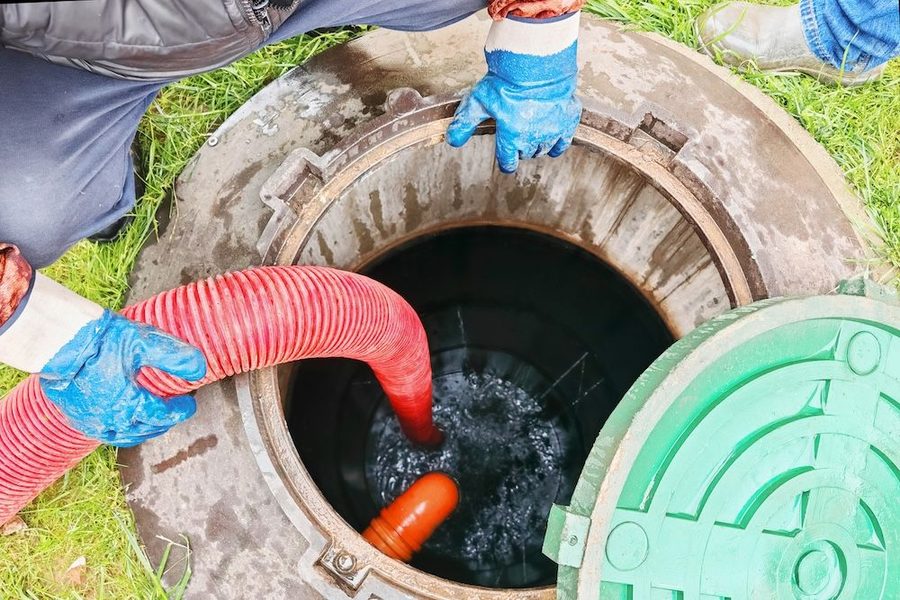
During a heavy monsoon rain, the high volume of water can stir up this sediment. If your pump’s intake screen is clogged, the motor will “cavitate,” spinning at high speeds without actually moving any water. This leads to the motor burning out in a matter of minutes. Patriot Pros Tip: Unplug your pump, reach into the pit (wear gloves!), and remove any visible debris. If the bottom of the pit is filled with mud, it’s time for a professional “Pit Flush” to ensure your pump can breathe when the rain starts.
Step 3: Inspecting the Discharge Line (The Escape Route)
A perfectly functioning pump is useless if the water has nowhere to go. The discharge line is the PVC pipe that carries water from the pump to the outdoors.
- The Check Valve: This is the one-way valve in the pipe that prevents water from falling back into the pit once the pump shuts off. If you hear a loud “thud” after every cycle, your check valve might be failing. This causes the pump to “short cycle,” working twice as hard as it needs to and shortening its lifespan.
- The Exterior Outlet: Walk outside and find where the pipe exits your home. Is it buried under mulch? Is it blocked by a bird’s nest or spring debris? Ensure the water is dumping at least 10 feet away from your foundation on a downward slope. In 2026, we are seeing many homes where “short dumping” (water falling right next to the wall) is causing the same water to cycle through the pump over and over again.
Step 4: The “Power Outage” Plan (Battery Backups)
In Castle Rock and Colorado Springs, monsoon storms are almost always accompanied by lightning and high winds that can knock out the power grid. It is a cruel irony of homeownership: the moment you need your sump pump the most is the moment you are most likely to lose electricity.
If you only have a standard, plug-in sump pump, you are one lightning strike away from a flooded basement. The Solution: A high-quality battery backup sump pump. This is a secondary pump that sits in the same pit but runs on a dedicated deep-cycle battery. In 2026, modern backup systems can even send an alert to your smartphone if they kick on, giving you peace of mind even if you are away from home when the storm hits.
Why Choose Patriot Pros?
For over 20 years, our family-owned business has set the bar higher for home services in Castle Rock. We don’t believe in “one-size-fits-all” plumbing. When our licensed, background-checked technicians arrive at your door, they bring:
- Fixed-Rate Pricing: You will know the exact cost of your pump repair or replacement before any work begins. No hidden fees, no “by-the-hour” surprises.
- Master Plumber Expertise: Our team understands the specific hydro-geology of Douglas County. We know which pumps can handle our mineral-heavy groundwater and which ones will fail.
- World-Class Respect: We wear shoe covers, use work mats, and treat your home as if it were our own. We even arrive equipped with body cams for your safety and protection.
Don’t Let the “Big Dark” Win
The 2026 monsoon season is coming, and it does not take appointments. While the clouds over the Rockies can be beautiful, they can also be destructive. By taking an hour this weekend to inspect your sump pump and ensure your discharge lines are clear, you are making a down payment on your home’s security. Don’t find out your pump is dead by stepping into a puddle in your basement.
Stay dry and stay protected. Contact Patriot Pros today to schedule your sump pump service and experience the “Patriot” standard of service!

Recent News
Is Your Heating System Ready for a Colorado Winter? A Fall Checklist

What Happens During a Whole-Home Plumbing Inspection in Castle Rock?

Do Smart Thermostats Actually Reduce Energy Bills in Colorado Homes?
Why HVAC Systems Fail Faster in High-Altitude Colorado Homes
Why New Construction Homes in Douglas County Still Experience Drain Problems

Swamp Cooler vs. AC in the Front Range