Serving Douglas County & The Surrounding Areas

Back to Blog
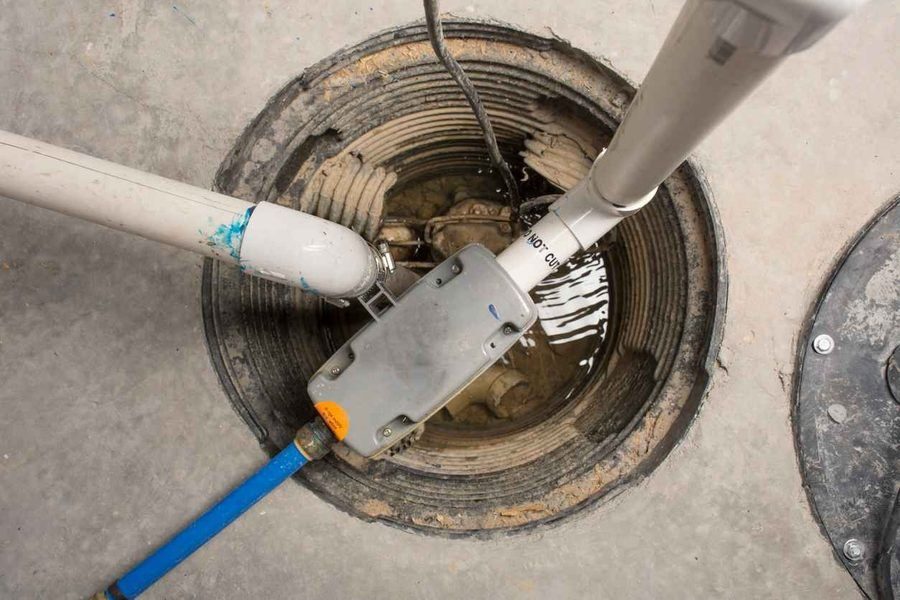
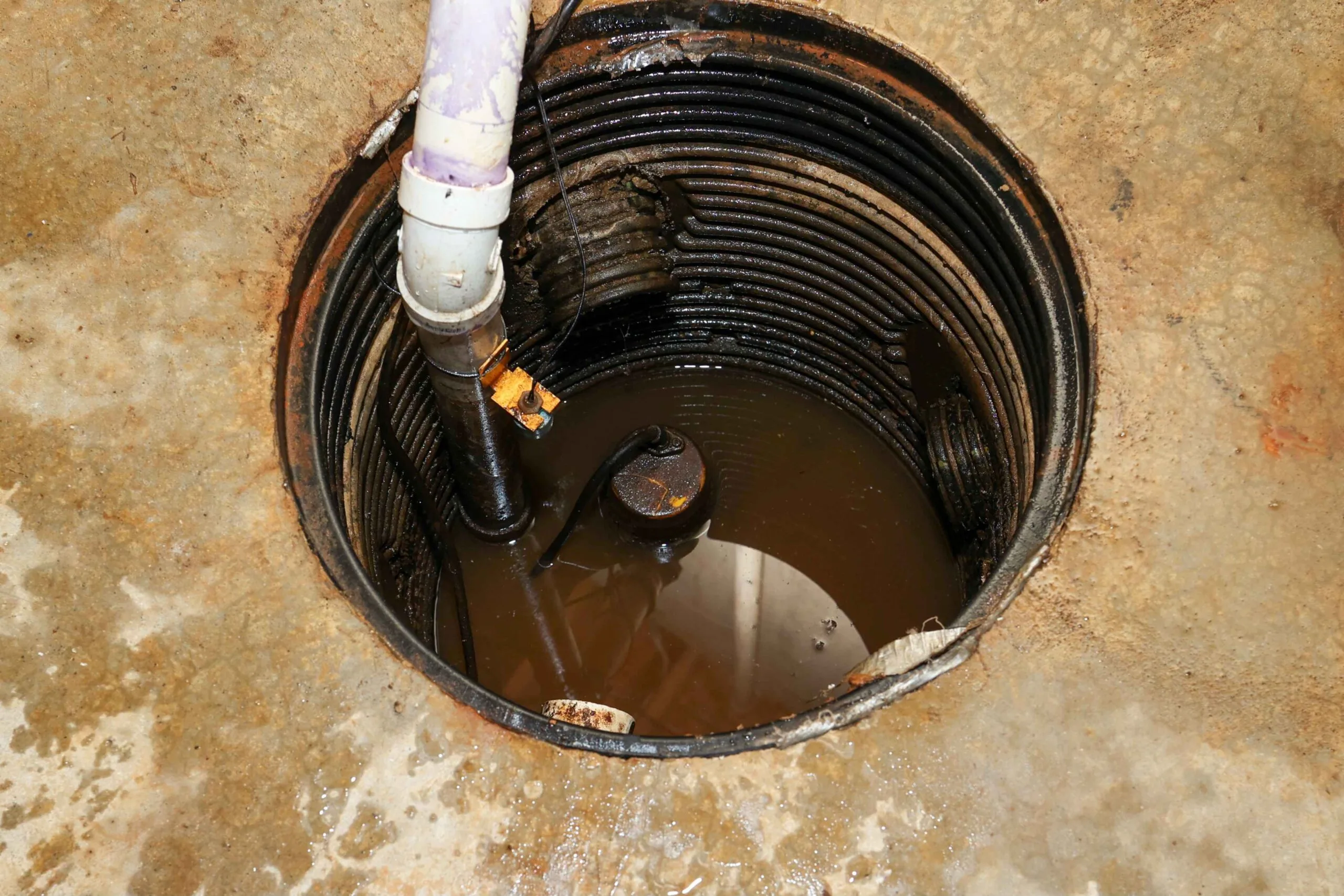
5 Signs Your Sump Pump May Fail During Winter Rain or Snowmelt
Colorado winters bring freezing temperatures, heavy snowfall, and fluctuating weather conditions. While snow-covered landscapes are common throughout the Front Range, melting snow and winter precipitation can create unexpected moisture problems around your home’s foundation.
For homeowners in Castle Rock, Colorado Springs, and surrounding communities, a functioning sump pump can help protect basements and crawl spaces from water intrusion. However, when sump pumps develop mechanical problems, clogged discharge lines, or electrical issues, they may fail when they’re needed most.
Recognizing the warning signs of sump pump failure before winter snowmelt can help you avoid unexpected basement flooding and costly water damage.
Why Can Sump Pumps Fail During Colorado Winters?
Sump pumps can fail during Colorado winters because freezing temperatures, clogged discharge lines, mechanical wear, electrical problems, and increased water accumulation can interfere with normal operation. When melting snow or winter precipitation increases moisture around a home’s foundation, an unreliable sump pump may struggle to remove water effectively.
How Does Winter Snowmelt Affect Your Sump Pump?
As temperatures rise after a snowstorm, melting snow can soak into the surrounding soil. Depending on drainage conditions, some of that moisture may reach foundation drainage systems and collect in the sump pit.
Repeated freeze-thaw cycles can also create problems for exposed discharge pipes.
Here are five warning signs that your sump pump may need professional attention.
1. Your Sump Pump Runs Constantly or Cycles Too Frequently
A sump pump should activate when water reaches a designated level and shut off after removing enough water.
If your pump runs continuously or repeatedly turns on and off, something may be wrong.
Why Is My Sump Pump Running Nonstop?
Common causes include:
-
Excessive water entering the sump pit
-
A stuck or malfunctioning float switch
-
A blocked or frozen discharge line
-
A faulty check valve
-
A pump that is undersized for the home’s drainage needs
A pump that runs constantly may experience additional mechanical wear.
Is Frequent Sump Pump Cycling Normal?
Some cycling is expected when water enters the pit. However, rapid or unusually frequent cycling may indicate a float switch problem or water flowing back into the pit.
If your pump repeatedly starts and stops without lowering the water level effectively, schedule a professional inspection.
2. You Hear Unusual Grinding, Rattling, or Humming Noises
Sump pumps make some noise during normal operation, but sudden changes in sound may indicate mechanical problems.
What Does a Failing Sump Pump Sound Like?
Warning sounds include:
-
Grinding: May indicate worn or damaged internal components.
-
Rattling: Could result from loose parts or debris.
-
Loud vibrations: May suggest improper positioning or mechanical issues.
-
Humming without pumping: Could indicate an obstruction or motor problem.
-
Repeated clicking: May signal difficulty starting.
Can Debris Cause Sump Pump Problems?
Yes. Sediment, dirt, and other debris can collect inside the sump pit and interfere with pump components.
If debris obstructs the impeller, the pump may struggle to move water.
Professional cleaning or repair may be necessary to restore proper operation.
3. Water Remains in the Sump Pit or Basement
One of the clearest warning signs of sump pump trouble is water that continues rising despite the pump’s operation.
Why Isn’t My Sump Pump Removing Water?
Potential causes include:
-
Clogged intake screens
-
Damaged or jammed impellers
-
Malfunctioning float switches
-
Electrical supply problems
-
Frozen discharge pipes
-
Pump motor failure
Some standing water in a sump pit is normal, depending on the pump’s activation level. However, water rising above its normal operating range may indicate a problem.
What Are the Signs of Basement Water Intrusion?
Watch for:
-
Damp basement floors
-
Water pooling near foundation walls
-
Musty odors
-
Visible moisture around the sump pit
-
Water stains or recurring dampness
If water begins entering your basement, address the situation promptly.
Avoid entering standing water when electrical equipment or outlets may be affected.
4. Your Sump Pump Has Trouble Starting or Loses Power
A sump pump can’t protect your basement if it doesn’t activate when water levels rise.
Electrical problems, damaged components, and malfunctioning switches can prevent reliable operation.
Why Won’t My Sump Pump Turn On?
Common reasons include:
-
Tripped circuit breakers
-
Faulty float switches
-
Damaged electrical connections
-
Failed pump motors
-
Power interruptions
-
Malfunctioning backup batteries
If the pump doesn’t start when needed, water may continue accumulating in the pit.
Does a Sump Pump Need a Battery Backup?
A battery backup system can provide additional protection during power outages.
This may be particularly helpful when winter storms interrupt electricity while melting snow or precipitation increases water around your foundation.
However, backup systems have limited battery runtime and require periodic maintenance.
If your home has a battery backup, test it according to the manufacturer’s instructions.
Never handle electrical equipment while standing in water.
5. The Discharge Line Is Frozen, Blocked, or Leaking
Even a functioning sump pump may struggle to remove water if its discharge line is blocked.
During Colorado winters, exposed discharge piping can be vulnerable to freezing temperatures.
Can a Sump Pump Discharge Pipe Freeze in Colorado?
Yes. Water remaining inside exposed discharge pipes may freeze, creating an ice blockage that prevents proper drainage.
Other discharge problems include:
-
Debris restricting water flow
-
Improper pipe slope
-
Damaged or disconnected piping
-
Water draining too close to the foundation
When discharge water can’t escape, it may back up or cause the pump to operate continuously.
How Can You Prevent a Frozen Sump Pump Discharge Line?
Inspect accessible discharge piping for visible damage and keep exterior outlets clear of snow, ice, and debris when safe.
Make sure discharged water is directed away from your foundation.
If your discharge line repeatedly freezes, a professional plumber can evaluate its configuration and recommend improvements.
Never use an open flame to thaw frozen piping.
How Can You Test Your Sump Pump Before Winter Snowmelt?
Testing your sump pump before periods of heavy snowmelt can help identify problems early.
How Do You Know If Your Sump Pump Is Working Properly?
Follow these steps when appropriate for your system:
-
Inspect the sump pit. Look for visible debris or damage.
-
Check the power connection. Confirm the pump is properly connected.
-
Add clean water. Slowly pour water into the pit until the float activates.
-
Watch the pump operate. Confirm it begins removing water.
-
Check the discharge. Verify that water exits through the discharge line.
-
Observe the shutoff. Make sure the pump stops when the water level drops.
Always follow manufacturer instructions. If electrical components are wet or damaged, avoid testing and contact a professional.
When Should You Repair or Replace Your Sump Pump?
Not every sump pump problem requires replacement.
Issues involving clogged components, malfunctioning switches, or certain discharge problems may be repairable.
However, replacement may be necessary when:
-
The motor has failed.
-
The pump experiences repeated breakdowns.
-
Significant corrosion is present.
-
Mechanical components are severely damaged.
-
The pump cannot handle the home’s drainage needs.
-
The equipment is approaching the end of its expected service life.
A professional evaluation can help determine whether repair or replacement is the better option.
Winter Sump Pump Maintenance Checklist for Colorado Homeowners
Before winter snowmelt increases moisture around your foundation:
-
Inspect the sump pit for debris.
-
Listen for unusual pump noises.
-
Watch for constant operation or rapid cycling.
-
Test the pump according to manufacturer instructions.
-
Inspect accessible discharge piping.
-
Keep discharge outlets clear of snow and ice.
-
Check for water pooling near the foundation.
-
Test the battery backup system, if installed.
-
Schedule professional service for recurring problems.
Protect Your Colorado Home From Water Damage With Patriot Pros
Winter rain, melting snow, and fluctuating temperatures can create moisture problems around Colorado homes. If your sump pump isn’t operating properly, that moisture may become a serious concern.
Recognizing warning signs such as constant running, unusual noises, standing water, startup problems, and frozen discharge lines can help you address issues before they lead to basement flooding.
Patriot Pros provides professional plumbing services for homeowners throughout Castle Rock, Colorado Springs, and surrounding Colorado communities.
Whether your sump pump is struggling to remove water or you’re concerned about potential plumbing problems before winter snowmelt, professional troubleshooting can help identify the cause and determine the appropriate solution.
Don’t wait until melting snow leaves water in your basement. Contact Patriot Pros today to schedule professional plumbing service and help protect your Colorado home from unexpected water damage.
Recent News
Is Your Heating System Ready for a Colorado Winter? A Fall Checklist
What Happens During a Whole-Home Plumbing Inspection in Castle Rock?

Do Smart Thermostats Actually Reduce Energy Bills in Colorado Homes?
Why HVAC Systems Fail Faster in High-Altitude Colorado Homes
Why New Construction Homes in Douglas County Still Experience Drain Problems
Swamp Cooler vs. AC in the Front Range