Serving Douglas County & The Surrounding Areas

Back to Blog
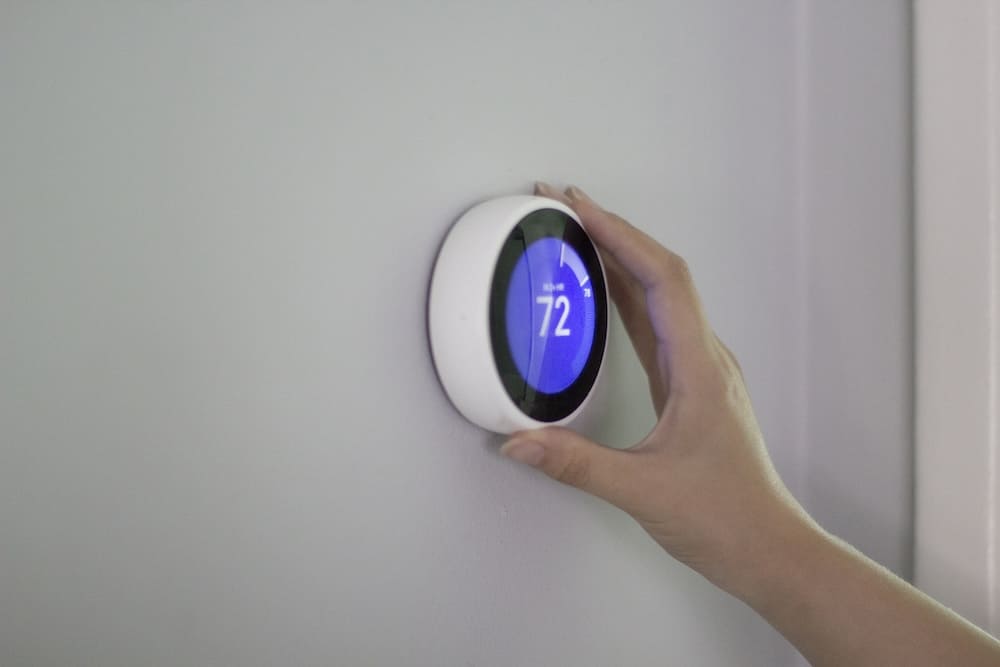
Do Smart Thermostats Actually Reduce Energy Bills in Colorado Homes?
Colorado homeowners rely on their HVAC systems throughout the year, from keeping the house warm during cold winter weather to staying comfortable when summer temperatures climb. With heating and cooling contributing to household energy use, finding ways to operate your HVAC system more efficiently can potentially make a difference in monthly utility costs.
Smart thermostats are often promoted as an easy way to save energy, but do smart thermostats actually reduce energy bills? For many Colorado homes, they can. The potential savings come primarily from using your heating and cooling system more strategically. Understanding how smart thermostats manage HVAC operation, and what factors influence their effectiveness, can help you decide whether installing one makes sense for your home.
How Do Smart Thermostats Help Reduce Energy Use?
A smart thermostat does not make a furnace, air conditioner, or heat pump more efficient on its own. Instead, it provides tools that can help your HVAC system operate only when needed. By automating temperature changes and giving you greater control over your settings, a smart thermostat can help reduce unnecessary heating and cooling.
Automated Heating and Cooling Schedules
One of the main ways a smart thermostat can help save energy is through scheduling. Rather than maintaining the same indoor temperature 24 hours a day, you can create a schedule that reflects when your household is home, away, or asleep.
For example, the thermostat can automatically adjust to an energy-saving setting after everyone leaves for work or school and return the house to a comfortable temperature before they arrive home.
Remote Temperature Control
Most smart thermostats connect to Wi-Fi and allow homeowners to adjust temperatures from a smartphone or other compatible device.
Remote access can be useful if your plans change unexpectedly or you forget to adjust the thermostat before leaving home. Instead of heating or cooling an empty house at your usual comfort setting, you can make an adjustment wherever you are.
Learning and Occupancy Features
Some smart thermostats can learn from your routines or use occupancy sensors to determine when people are home. Depending on the model and system setup, these features can automatically modify heating and cooling schedules based on household activity.
This automation can be particularly helpful for homeowners who struggle to maintain an efficient thermostat schedule manually.
Energy Reports and Usage Insights
Many smart thermostats provide energy reports that show how frequently your heating and cooling equipment operates. Some can also highlight changes in HVAC usage or offer suggestions for more efficient temperature settings.
Reviewing this information can help you understand your household’s energy habits and identify opportunities to reduce unnecessary HVAC use.
How Much Can a Smart Thermostat Save on Energy Bills?
There is no single amount that every Colorado homeowner will save after installing a smart thermostat. Actual savings depend on how much room there is to improve your current heating and cooling habits.
A homeowner who already uses an efficient programmable thermostat schedule may see less of a difference than someone who keeps the thermostat at the same temperature all day.
Why Smart Thermostat Savings Vary
Several factors can affect how much energy and money you might save, including:
-
Your previous thermostat habits
-
Your preferred indoor temperatures
-
How many hours the home is occupied each day
-
The efficiency and condition of your HVAC system
-
Your home’s insulation and air sealing
-
Outdoor temperatures and weather conditions
-
The thermostat features you use
-
Your household’s heating and cooling demands
Because every home is different, smart thermostat energy savings should be viewed as a potential benefit rather than a guaranteed reduction in your utility bill.
Who May See the Greatest Energy Savings?
Smart thermostats may provide greater savings opportunities for households that currently heat or cool their homes unnecessarily.
If your home is empty for several hours each weekday but the HVAC system continues maintaining your preferred occupied temperature, automated scheduling could reduce that energy use. Homeowners who frequently forget to change their thermostat before leaving or going to bed may also benefit from automation.
Why Smart Thermostats Can Be Useful in Colorado Homes
Colorado’s heating and cooling needs can vary considerably throughout the year. A smart thermostat can make it easier to adjust HVAC operation as household schedules and outdoor conditions change.
Managing Heating During Cold Colorado Weather
During colder weather, heating can become a major part of household energy use. Smart scheduling allows homeowners to automatically adjust temperatures during periods when less heating is needed.
For instance, you might choose a more energy-conscious setting overnight or while the house is empty, then schedule the thermostat to restore your preferred temperature before you wake up or return home.
The goal is not to sacrifice comfort. It is to avoid maintaining your highest comfort setting during periods when it provides little benefit.
Adjusting to Changing Temperatures
Colorado weather can make temperature management feel less predictable at certain times of the year. Smart thermostat controls give homeowners the flexibility to modify HVAC settings without needing to be standing in front of the thermostat.
If the day’s conditions or your plans change, remote controls can make it easier to adjust your heating or cooling strategy accordingly.
Managing Energy Use While Traveling
Smart thermostats can also be helpful for Colorado homeowners who travel frequently. Vacation or away settings can reduce unnecessary HVAC operation while still maintaining appropriate temperatures inside the home.
Remote monitoring also lets you check indoor temperatures while you are gone and make changes if necessary.
Will a Smart Thermostat Save Money With Any HVAC System?
Smart thermostats can work with many types of HVAC equipment, but compatibility and potential savings vary. Before purchasing a thermostat, it is important to make sure the model is designed to control your specific heating and cooling system.
Furnaces and Central Air Conditioning
Many smart thermostats are compatible with conventional furnaces and central air conditioning systems. When properly installed, scheduling and remote controls can help homeowners manage when these systems operate.
The thermostat cannot improve the mechanical efficiency of the equipment itself, but it can help reduce unnecessary runtime.
Heat Pumps
Smart thermostats can also work with many heat pump systems, but choosing a compatible model and configuring it correctly is particularly important.
Heat pumps operate differently from conventional furnaces. Improper thermostat settings or configuration can affect how the system uses supplemental or auxiliary heat, potentially reducing some of the efficiency benefits homeowners are trying to achieve.
Multi-Stage and Variable-Speed HVAC Systems
Homes with multi-stage or variable-speed HVAC equipment need thermostats capable of properly communicating with or controlling those systems.
Installing an incompatible thermostat could limit equipment functionality. A professional HVAC technician can help determine which thermostat options support the features of your particular system.
Older Heating and Cooling Equipment
Older HVAC systems may have wiring or control requirements that complicate smart thermostat installation. Some smart thermostats also require a C-wire, or common wire, to provide continuous power.
An HVAC professional can inspect the existing thermostat wiring and equipment to determine whether a smart thermostat can be installed directly or whether additional work is necessary.
Smart Thermostat vs. Programmable Thermostat: Which Saves More Energy?
Both programmable and smart thermostats can help homeowners reduce energy use by automatically changing temperatures throughout the day. The biggest difference is usually the level of automation, accessibility, and information available.
A traditional programmable thermostat can be effective if you create an efficient schedule and update it when your routine changes. Smart thermostats add features such as remote smartphone controls, energy reports, occupancy detection, learning capabilities, and smart home integration, depending on the model.
If you already use a programmable thermostat efficiently, switching to a smart model may not dramatically change your energy consumption. However, the additional convenience can make it easier to maintain energy-conscious habits over time.
How to Get the Most Energy Savings From a Smart Thermostat
Simply installing a smart thermostat is only the first step. How you configure and use it can have a significant impact on whether it helps reduce your household energy consumption.
Create an Efficient Temperature Schedule
Build your thermostat schedule around when your household actually needs heating or cooling. Consider work hours, school schedules, bedtime, and other predictable periods when the home is empty or occupants need less conditioning.
Use Away and Vacation Modes
When you leave home for an extended period, use your thermostat’s away or vacation features rather than maintaining normal occupied settings.
These modes can help reduce unnecessary HVAC use while allowing you to maintain safe and appropriate indoor temperatures.
Avoid Extreme Temperature Adjustments
Setting your thermostat dramatically higher or lower does not necessarily heat or cool your home faster. Instead, it can result in longer HVAC operation and increased energy consumption.
Consistent, reasonable temperature settings are generally a better approach to balancing comfort and efficiency.
Review Energy Reports
If your thermostat provides energy reports, review them periodically. Look for changes in HVAC runtime and patterns that might indicate opportunities to adjust your schedule.
Unexpected increases in system operation can also be a reason to consider whether your HVAC equipment needs professional attention.
Keep Your HVAC System Properly Maintained
Even an advanced thermostat cannot make up for neglected HVAC equipment. Routine professional maintenance, timely filter changes, and necessary repairs can help your heating and cooling system perform as intended.
Combining good thermostat habits with a properly maintained HVAC system gives homeowners a more comprehensive approach to controlling household energy use.
Should You Have a Smart Thermostat Professionally Installed?
Some homeowners can install certain smart thermostats themselves, but professional installation can be valuable when HVAC wiring or equipment is more complex.
Checking Thermostat and HVAC Compatibility
Before installation, the thermostat needs to be compatible with the HVAC equipment it will control. This is particularly important for heat pumps, multi-stage systems, variable-speed equipment, and systems requiring specific wiring configurations.
A professional can also determine whether your existing wiring provides the power connections required by the new thermostat.
Proper HVAC Configuration
Correct configuration matters just as much as correct wiring. A thermostat needs to know what type of heating and cooling equipment it controls and how that equipment should operate.
Professional setup can help ensure heating stages, cooling stages, heat pump functions, and other system-specific settings are configured correctly.
Avoiding Installation and Wiring Problems
Incorrect thermostat wiring can prevent the HVAC system from working properly and may lead to unnecessary troubleshooting or repairs.
Having an HVAC technician handle the installation provides an opportunity to verify compatibility, complete the wiring, configure the thermostat, and test heating and cooling operation before the job is finished.
Are Smart Thermostats Worth It for Colorado Homeowners?
Yes, a smart thermostat can be worth installing for many Colorado homeowners, particularly if it helps reduce unnecessary heating and cooling. Automated schedules, remote access, occupancy features, and energy-use insights can make it easier to manage HVAC operation without constantly adjusting the thermostat manually.
However, a smart thermostat does not guarantee lower energy bills. The greatest potential savings typically come from changing how and when your HVAC system operates. Your previous thermostat habits, HVAC efficiency, home insulation, preferred temperatures, and use of smart features will all influence the results.
For homeowners who already manage their HVAC systems efficiently, convenience and greater control may be bigger advantages than energy savings. Either way, choosing a thermostat that is compatible with your equipment and configuring it correctly is essential.
Improve Your Home’s HVAC Efficiency With Patriot Pros
A smart thermostat can be one piece of a more energy-efficient and comfortable home. Getting the best performance from your heating and cooling system also requires properly functioning equipment, regular maintenance, appropriate thermostat settings, and a home that can retain conditioned air effectively.
If you are considering a smart thermostat or looking for ways to improve HVAC efficiency in your Colorado home, turn to Patriot Pros. Our team can help evaluate your HVAC system, determine whether a smart thermostat is a good fit, and provide professional solutions designed around your home’s comfort needs.
Contact Patriot Pros today to learn more about smart thermostat installation, HVAC maintenance, and ways to keep your Colorado home comfortable throughout the year.
Recent News
Why HVAC Systems Fail Faster in High-Altitude Colorado Homes
Why New Construction Homes in Douglas County Still Experience Drain Problems
Swamp Cooler vs. AC in the Front Range
Is Your Sump Pump Ready for “Monsoon” Season?
How to Prepare Your HVAC System for Colorado’s Spring Temperature Swings
How to Spot a Hidden Water Leak in Your Colorado Home