Serving Douglas County & The Surrounding Areas

Back to Blog
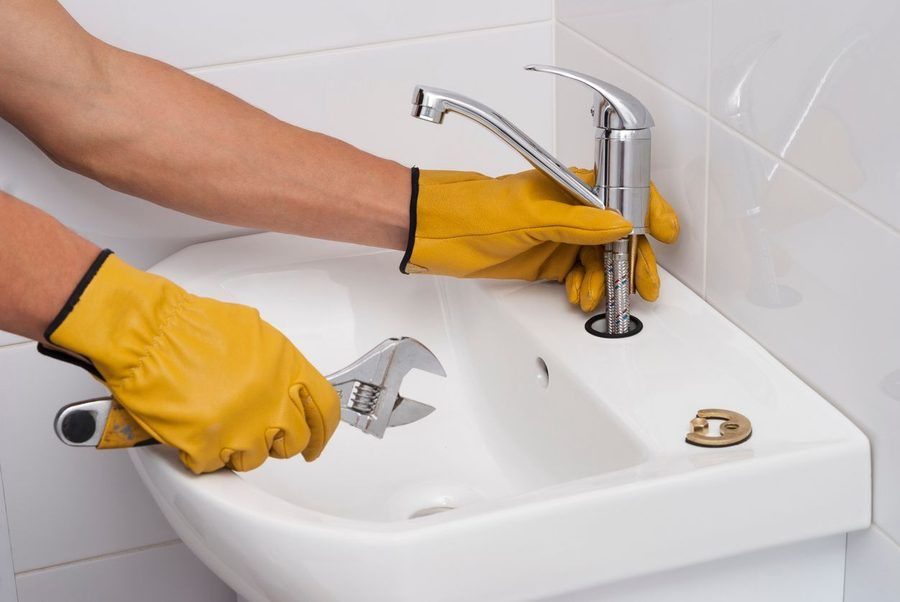
What Happens During a Whole-Home Plumbing Inspection in Castle Rock?
Your home’s plumbing works behind the scenes every day, delivering fresh water, removing wastewater, and supplying fixtures and appliances throughout the house. Because so much of the system is easy to overlook, leaks, drainage issues, water-pressure problems, and aging components may not get attention until they begin causing noticeable symptoms.
A whole-home plumbing inspection gives Castle Rock homeowners a broader look at the condition of accessible plumbing components. Whether you have noticed a problem or simply want to better understand your plumbing system, knowing what happens during an inspection can help you prepare.
What Is a Whole-Home Plumbing Inspection?
A whole-home plumbing inspection is a systematic evaluation of accessible plumbing fixtures, pipes, drains, water-heating equipment, and other components throughout a home. A plumber looks for leaks, corrosion, drainage problems, water-pressure concerns, damaged components, and other signs that repairs or maintenance may be needed.
The exact inspection process can vary depending on the home, its plumbing system, and the services being performed. A standard inspection typically focuses on accessible components and does not involve opening walls or performing invasive testing.
If the plumber discovers signs of a concealed problem, additional diagnostic services may be recommended.
1. Checking Faucets, Sinks, Toilets, and Other Fixtures
Many whole-home plumbing inspections begin with the fixtures you use every day.
A plumber may examine:
-
Faucets
-
Sinks
-
Toilets
-
Showers
-
Bathtubs
-
Accessible fixture connections
The plumber will look for dripping, visible leaks, corrosion, loose components, and fixtures that do not operate normally.
Toilets deserve particular attention because a toilet can continue running or leak without creating an obvious puddle. Faucets and connections underneath sinks may also develop slow leaks that homeowners do not immediately notice.
Catching a small fixture problem can provide an opportunity to repair it before it becomes more disruptive.
2. Looking for Visible Plumbing Leaks
A whole-home inspection also includes checking accessible areas for signs of water leakage.
Depending on your home’s layout, this might include areas:
-
Under sinks
-
Around toilets
-
In utility rooms
-
Near water heaters
-
Around exposed pipes
-
Near water-connected appliances
-
In accessible mechanical spaces
A plumber may look for active moisture as well as staining, corrosion, mineral deposits, or damaged materials that could indicate a current or previous leak.
A visual inspection cannot guarantee that every concealed leak will be found. Plumbing behind walls, beneath floors, and underground is not always visible during a standard inspection.
If the plumber sees evidence suggesting a hidden leak, additional leak detection may be recommended.
3. Evaluating Your Home’s Water Pressure
Water pressure affects how your plumbing feels and functions, but judging pressure by the shower alone does not provide the complete picture.
During a plumbing inspection, a plumber may measure water pressure and evaluate pressure-regulating equipment when appropriate.
Why Does Water Pressure Matter?
Excessive water pressure can place unnecessary stress on plumbing fixtures, valves, supply lines, and other components.
Low water pressure can also indicate a problem, although the cause can vary considerably. A clogged faucet aerator, fixture problem, pressure-regulating valve, supply issue, or other plumbing condition could potentially contribute.
Professional testing helps determine whether a pressure concern affects the entire home or is limited to a particular fixture.
4. Inspecting Accessible Water Supply Pipes
Where supply piping is accessible, a plumber can inspect its visible condition.
The inspection may include checking:
-
Pipe materials
-
Connections and fittings
-
Corrosion
-
Signs of leakage
-
Shutoff valves
-
Previous repairs
-
Visible pipe support
Some Castle Rock homes may contain plumbing installed or modified at different times. Finding different pipe materials does not automatically mean the entire plumbing system needs replacement.
The plumber should consider the condition and performance of the plumbing rather than recommending replacement based solely on age or material.
5. Checking How Your Drains Are Working
Slow or frequently clogged drains can provide clues about the condition of the home’s drainage system.
During the inspection, pay attention to whether you have experienced:
-
Slow drains
-
Recurring clogs
-
Gurgling sounds
-
Sewer-like odors
-
Backups
-
Problems affecting multiple fixtures
One slow bathroom sink may indicate a localized clog near that fixture. Several slow or backing-up drains could point to a problem farther along the drainage system.
Depending on what the plumber finds, additional drain cleaning or diagnostic work may be recommended.
6. Inspecting the Water Heater
Your water heater is another important part of a whole-home plumbing inspection.
What the plumber checks depends on whether you have a traditional tank, tankless system, and the particular equipment installed in your home.
An inspection may include evaluating accessible components for:
-
Visible leaks
-
Corrosion
-
Connection problems
-
Signs of deterioration
-
Installation concerns
-
Venting concerns where applicable
-
General operating issues
Tell your plumber if you have noticed inconsistent water temperatures, unusual noises, reduced hot-water availability, or other changes in performance.
Water-heater age can provide useful context, but age alone does not determine whether a unit requires immediate replacement. Its condition, performance, maintenance history, and any existing problems should also be considered.
7. Checking Plumbing Shutoff Valves
Do you know where your home’s main water shutoff is?
A whole-home plumbing inspection is a good opportunity to identify it and discuss its condition.
Plumbers may also examine accessible shutoff valves serving individual fixtures or equipment. Valves can eventually become difficult to operate, leak, or deteriorate.
A working main shutoff is particularly important during a plumbing emergency because shutting off the water can limit continued water flow from a major leak.
If a valve appears stuck or damaged, do not force it. Ask the plumber whether repair or replacement is appropriate.
8. Inspecting Outdoor Plumbing
Outdoor plumbing is especially important in Colorado because freezing winter temperatures can affect vulnerable components.
A plumber may inspect accessible exterior plumbing such as hose bibs and outdoor faucets for:
-
Dripping
-
Visible damage
-
Loose components
-
Signs of previous freezing
-
Problems shutting off completely
Frost-resistant outdoor faucets can provide additional protection when properly installed and used, but they are not maintenance-free. Garden hoses and other attachments should generally be disconnected before freezing weather so compatible fixtures can drain as designed.
Does a Whole-Home Plumbing Inspection Include a Sewer Camera?
Not necessarily. A sewer camera inspection is a specialized diagnostic service and may not be included in a standard whole-home plumbing inspection.
During a sewer camera inspection, specialized equipment is used to view accessible portions of the inside of a sewer line.
A plumber may recommend this service when there are recurring backups, multiple slow drains, suspected sewer-line damage, or other symptoms that warrant a closer look.
Can a Plumbing Inspection Find Hidden Leaks?
A plumbing inspection can uncover visible leaks and signs that suggest a concealed problem, but it cannot guarantee detection of every hidden leak.
For example, staining, unexpected moisture, unusual water usage, or other evidence may indicate that further investigation is needed.
When a concealed leak is suspected, specialized leak-detection methods can help narrow down its location without relying solely on visible inspection.
When Should Castle Rock Homeowners Consider a Plumbing Inspection?
A whole-home plumbing inspection can be useful when:
-
You are moving into a home
-
Your plumbing has not been checked recently
-
You experience recurring leaks or clogs
-
Water pressure has changed
-
Water use increases unexpectedly
-
You are planning a remodel
-
You have concerns about older plumbing
-
You want to identify maintenance needs
You do not have to wait for a major plumbing failure to learn more about the condition of your system.
What Happens After the Plumbing Inspection?
After inspecting the system, your plumber should explain any problems that were found and discuss recommended next steps.
Those recommendations might involve immediate repairs, routine maintenance, monitoring a component, or performing additional diagnostic testing.
A good inspection helps you distinguish between problems that require attention and components that are simply worth watching over time.
Schedule a Whole-Home Plumbing Inspection With Patriot Pros
A whole-home plumbing inspection can provide valuable insight into your fixtures, visible piping, water pressure, drains, water heater, shutoff valves, and outdoor plumbing.
If you want a clearer picture of your home’s plumbing condition, contact Patriot Pros to schedule professional plumbing service in Castle Rock, Colorado. Our team can identify potential concerns, explain what we find, and help you determine the appropriate next steps for your home’s plumbing system.
Recent News

Do Smart Thermostats Actually Reduce Energy Bills in Colorado Homes?
Why HVAC Systems Fail Faster in High-Altitude Colorado Homes
Why New Construction Homes in Douglas County Still Experience Drain Problems
Swamp Cooler vs. AC in the Front Range
Is Your Sump Pump Ready for “Monsoon” Season?
How to Prepare Your HVAC System for Colorado’s Spring Temperature Swings